

 See My Latest Article on HelloNation

Why Is Preparing for Pet Boarding More Than Just Packing a Bag?
Preparation eases a pet’s stay away from home and builds trust that they’ll be cared for while you’re away. Success means thinking about pets’ emotional comfort, current health, and daily habits—not just dropping them off with a bag of food.
Local pets in Eau Claire often lead routines shaped by Wisconsin’s longer winters, fluctuating weather, and varied types of homes, from apartments to larger suburban properties. These factors, along with allergies or sensitivities that may change with the seasons, all play roles in prepping for boarding.
What Vaccinations and Health Steps Should Be Handled Before Boarding?
Pets entering overnight boarding facilities need current vaccinations—not just for rules, but for protection. Area boarding locations typically request proof of standard vaccines for dogs (such as rabies, distemper, Bordetella/kennel cough) or cats (rabies, FVRCP). Bordetella is especially important since local canine cough outbreaks can circulate in indoor, shared spaces.
Beyond vaccines, it’s wise to:
- Discuss flea/tick preventives, as even indoor pets can encounter pests—especially with Eau Claire's abundant wildlife.
- Share up-to-date details about medications, allergies, chronic conditions, behavioral quirks, and sensitivities (for example, anxiety during thunderstorms or fireworks, which affect the area more during certain months).
How Can You Reduce Your Pet’s Stress About Being Away From Home?
Pets can get anxious with unfamiliar sounds or smells. Owners in the city often juggle busy schedules, so helping pets adjust beforehand makes a difference.
Ease the transition by:
- Letting your pet visit the facility, if allowed, so the environment is somewhat familiar.
- Packing a well-loved blanket, shirt, or toy from home for familiar scents.
- Bringing a small amount of bedding or an item that smells like your household, as Eau Claire homes may have distinctive scents that calm pets.
- Gradually increasing the duration of time your pet is away from you—even short separations at a friend’s house can help if your pet has never spent a night away from home.
What to Pack for Boarding in an Area with Seasonal Changes?
The region’s climate means preparation should reflect spring melt, humid summers, and chilly winters. Communicate with staff about whether to bring your pet’s coat or booties during colder months, or if extra cooling aids will help in summer.
Essentials to include:
- Pre-measured portions of your pet’s regular food, or labeled containers—abrupt food changes can upset digestion.
- Any medications, in original packaging with instructions.
- Updated contact information (including a secondary local emergency contact, as weather events—like winter storms—can affect travel).
- List of routines (feeding schedule, walking times, preferred play activities), which may differ in Eau Claire than elsewhere due to household work schedules or environmental factors.
- Familiar items as mentioned above for reassurance and comfort.
Avoid overpacking. Skip unfamiliar treats, rawhides, or items that may cause choking or allergies unless specifically requested.
How Do Local Environment and Regulations Affect Your Pet’s Stay?
Eau Claire ordinances frequently require pets to be licensed and microchipped. Be prepared with copies of documentation. The city’s leash and waste cleanup rules often extend to private pet care settings, so confirm your boarding facility’s approach.
Weather can affect exercise time:
- During icy winters, outside play sessions might be shorter—ask how the facility provides for indoor exercise and enrichment.
- Let staff know if your pet needs paw protection, or has sensitivities to salt and de-icers used in the city.
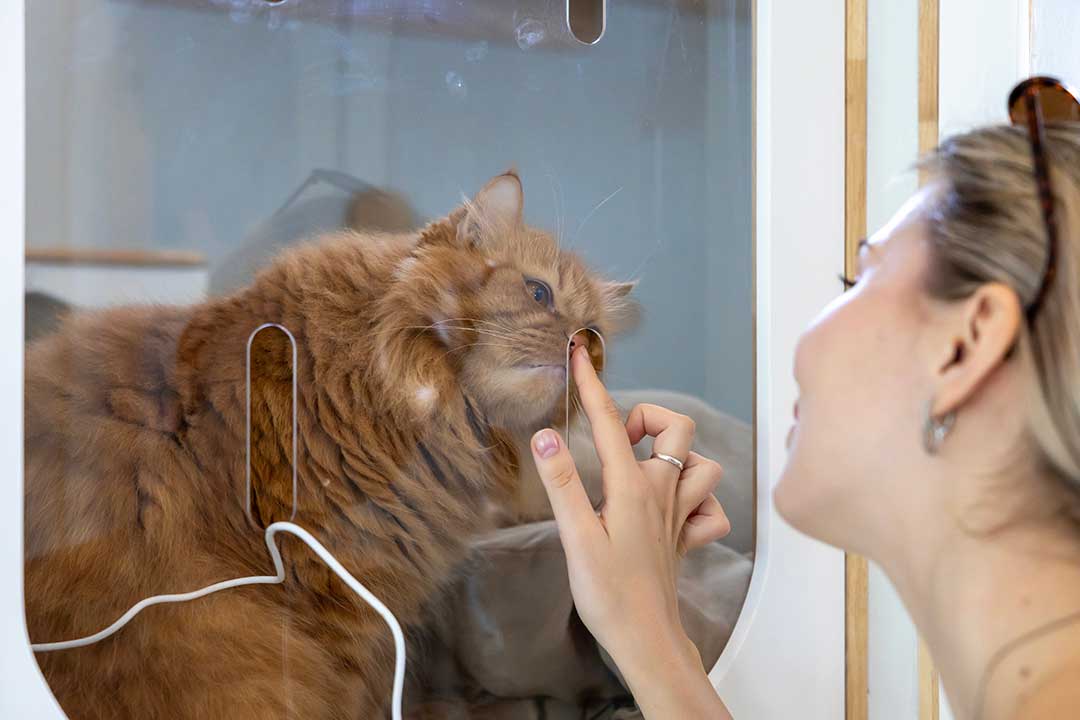
If your pet is not used to group play, local boarding setups often offer alternatives—private play or short walks instead of socializing with other animals. Share knowledge of your pet’s comfort level, as misunderstandings may increase their stress.
What Should You Communicate to Boarding Staff for the Smoothest Experience?
Sharing information is key to keeping your pet healthy and happy.
Give staff specifics about:
- Your pet’s unique behaviors (like hiding during storms or food-related aggression)
- How they act around unfamiliar people or animals
- Any training cues that matter (hand signals, special commands)
- Day-to-day needs that reflect your household routine
Let staff know if your pet reacts poorly to normal Eau Claire experiences, like summer rain, thunderstorms, or neighborhood fireworks. These conversations allow for custom care, which can be particularly meaningful in a community-focused setting.
How Can You Make Saying Goodbye Easier for Both You and Your Pet?
Long farewells often increase a pet’s anxiety. Instead:
- Keep your goodbye brief, calm, and upbeat to model confidence.
- Avoid surprises—don’t disappear while your pet is distracted, as that can lead to distress later.
Returning home after boarding can be an equally important transition. Allow time for your pet to settle back into its usual routine, and watch for any lasting changes in mood or appetite.
Common Misconceptions About Overnight Pet Boarding in the City
Residents sometimes believe their pets won’t adapt or that only “easy” pets do well in boarding. With mindful prep, most healthy pets can adjust, even if they start out anxious. It’s also a misconception that boarding is always a high-energy group environment; many local facilities cater to shy, elderly, or special-needs pets with more personalized arrangements.
Preparation—tailored to the season, your home life, and your pet’s temperament—is the foundation of a successful boarding experience, ensuring both you and your pet feel secure while apart.