

 See My Latest Article on HelloNation
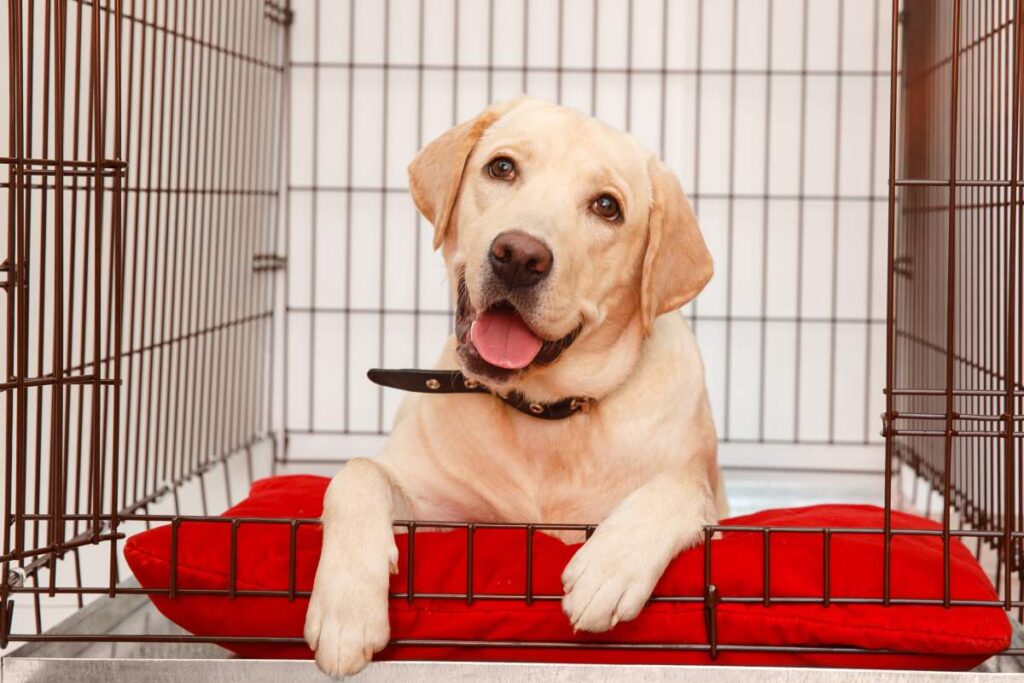
Dogs do not all need the same amount of exercise each day. A young herding dog may need several hours of combined activity and training, while an older companion dog may be comfortable with shorter walks, gentle play, and regular opportunities to sniff. The right routine depends on age, breed tendencies, health, temperament, body condition, and the weather.
For households in Eau Claire, seasonal conditions also matter. Winter cold, snow, ice, summer heat, and muddy spring trails can change how much outdoor exercise is safe and realistic. A good plan balances physical movement with mental enrichment rather than measuring success only by miles walked.
How much exercise does an adult dog need each day?
Many healthy adult dogs do well with roughly 30 to 120 minutes of activity per day, divided into at least two periods. That range is intentionally broad because exercise needs vary substantially by breed, energy level, age, and health. Some dogs need vigorous running or active games, while others benefit more from steady walking and exploration. ([akc.org](https://www.akc.org/expert-advice/health/how-much-exercise-does-dog-need/?utm_source=openai))
A practical starting point may look like:
- Lower-energy or older adult dogs: 20 to 45 minutes of gentle activity, plus brief bathroom walks and mental enrichment
- Moderate-energy dogs: 45 to 90 minutes of walking, play, training, or other movement
- High-energy working or sporting dogs: 90 minutes or more, often combined with structured training and problem-solving activities
These are starting ranges, not rules. A dog that is panting heavily, slowing down, limping, becoming unusually irritable, or refusing to continue may have had enough. Conversely, persistent pacing, destructive behavior, attention-seeking, or difficulty settling can indicate that the daily routine needs more activity or mental engagement.
Does breed matter more than size?
Breed tendencies can be useful, but breed alone does not determine a dog’s needs. A small terrier may be more energetic than a large senior dog, and an individual dog’s health and personality may matter more than its weight.
Dogs bred for herding, hunting, retrieving, sled work, or endurance often need activities that involve both movement and decision-making. Repeatedly throwing a ball may provide physical exertion, but training exercises, scent games, puzzle feeding, and controlled exploration may help satisfy the dog more fully.
Short-nosed breeds, dogs with joint disease, overweight dogs, and dogs with heart or breathing problems may need lower-impact routines. Large-breed puppies also require special care because their bones and growth plates are still developing; forced running, repetitive jumping, and long-distance activity can be inappropriate during growth. ([akc.org](https://www.akc.org/expert-advice/puppy-information/how-to-care-for-your-large-breed-dog/?utm_source=openai))
How much exercise does a puppy need?
Puppies need frequent, brief activity rather than long, demanding workouts. Several five- to fifteen-minute play or training sessions may be more suitable than one extended walk.
Puppy exercise should include:
- Gentle play on stable surfaces
- Short sniffing walks
- Basic training with frequent breaks
- Safe social exposure
- Rest between active periods
Puppies can become overtired and behave as though they need more exercise when they actually need sleep. Excessive jumping, sharp turns, or forced jogging can place unnecessary stress on developing joints. A puppy’s vaccination status, health history, breed size, and development stage should guide where and how outdoor activity occurs.
How should exercise change for senior dogs?
Senior dogs often still benefit from daily movement, but the type and pace may need to change. Several short walks can be easier on aging joints than one long outing. Gentle sniffing, slow exploration, swimming where safely available, and low-impact training can provide activity without excessive strain.
Watch for changes such as:
- Stiffness after rest
- Reluctance to use stairs
- Difficulty rising
- Shorter strides
- Slipping on smooth floors
- Increased recovery time after walks
A sudden change in exercise tolerance deserves veterinary attention, especially if it is accompanied by coughing, weakness, pain, collapse, or loss of appetite. Exercise plans for dogs with arthritis, obesity, neurological problems, or other medical conditions should be adjusted carefully.
What does a realistic routine look like in Eau Claire?
A practical local routine should account for changing conditions throughout the year. During mild weather, a dog might receive a morning walk, an evening outing, and brief training or play sessions indoors. During severe cold, icy conditions, or heavy snow, outdoor time may need to be shorter and supplemented with indoor enrichment.
For example, a moderate-energy adult dog might have:
- A 20- to 30-minute morning walk
- Five to ten minutes of obedience or scent work
- A short midday bathroom and sniffing break
- A 30-minute evening walk or play session
- A food puzzle, chew activity, or calm training game
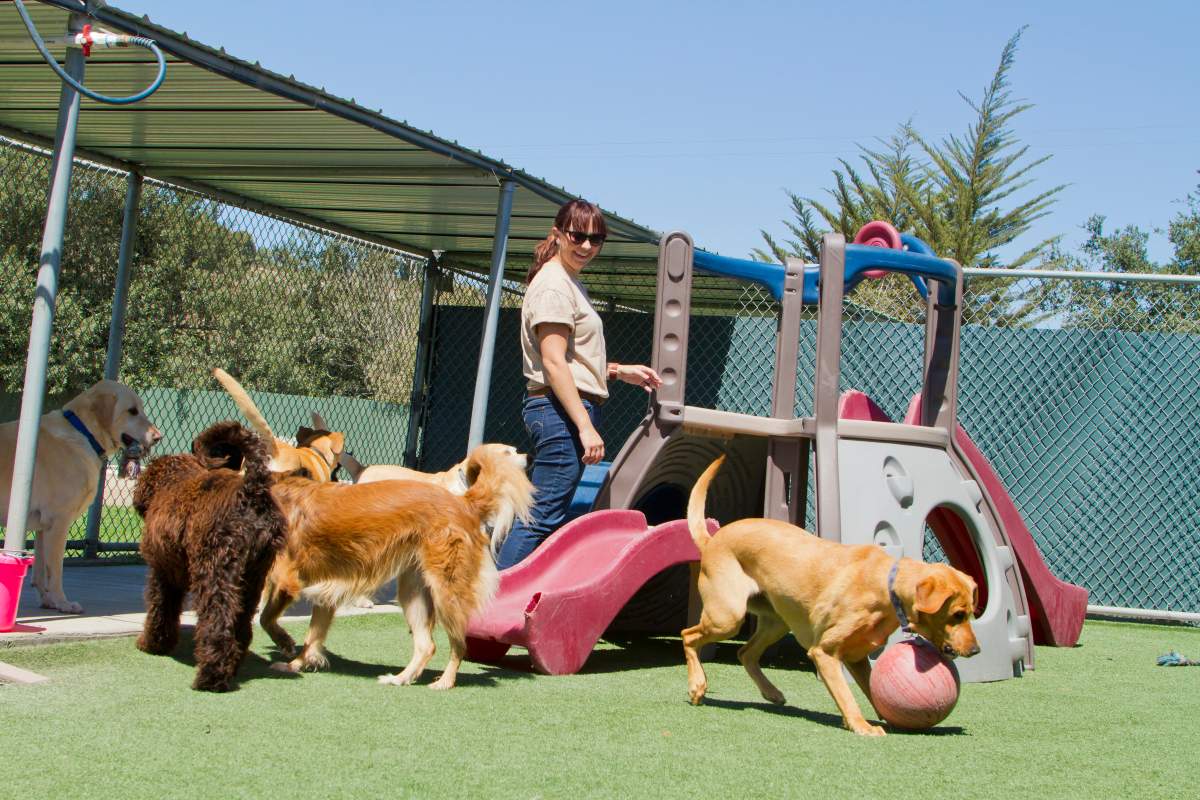
That schedule may be divided differently for a dog staying in a boarding environment. A dog accustomed to a private yard may need extra leash walking or structured play when away from home. A dog that is nervous around unfamiliar animals may do better with individual walks and quiet enrichment rather than group exercise.
The city provides designated dog parks where licensed dogs may exercise without leashes, but off-leash activity is not appropriate for every dog. Recall reliability, social comfort, arousal level, and the ability to disengage from play should be considered before using an off-leash area. ([eauclairewi.gov](https://www.eauclairewi.gov/533/Dog-Parks?utm_source=openai))
How does weather affect daily exercise?
Cold weather does not automatically make outdoor exercise unsafe, but conditions should be judged by the individual dog. Small dogs, short-coated dogs, puppies, seniors, and dogs with health problems may become uncomfortable more quickly. Ice, packed snow, and road salt can also irritate paws or increase slipping hazards.
In winter:
- Keep outings shorter when temperatures or wind chill are severe.
- Check paws for ice buildup, cracks, redness, or irritation.
- Use well-fitting protective gear only if the dog tolerates it safely.
- Replace missed walks with indoor scent games, training, or food puzzles.
- Avoid letting a wet dog remain outside for extended periods.
Summer requires a different approach. Walk during cooler parts of the day, offer water, and avoid prolonged activity on hot pavement. Heavy panting, drooling, weakness, confusion, vomiting, or collapse can signal heat illness and require immediate action.
Spring and fall may offer comfortable temperatures but can bring mud, standing water, slippery leaves, and rapidly changing conditions. A shorter route with careful footing may be safer than maintaining a usual distance.
Is mental stimulation as important as physical exercise?
Mental work is a major part of a balanced routine. Ten minutes of focused training or scent-based activity can be tiring in a different way than a walk. This is especially useful when weather, injury, housing limitations, or boarding arrangements reduce outdoor exercise.
Useful indoor activities include:
- Hiding treats for the dog to find
- Practicing name recognition, recall, or leash skills
- Rotating safe chew items
- Teaching simple tricks
- Feeding part of a meal through a puzzle or scatter-feeding game
- Encouraging calm settling on a mat
Mental stimulation should not create frustration. Start with easy tasks, supervise food-based activities, and stop if the dog becomes distressed or overly excited.
How can owners tell whether the amount is right?
The best measure is the dog’s overall pattern, not a single daily number. A well-matched routine generally leaves the dog pleasantly tired, able to relax, willing to eat and sleep normally, and comfortable moving the next day.
Reduce intensity and seek veterinary guidance if exercise causes persistent soreness, limping, breathing difficulty, or unusual fatigue. Increase activity gradually when needed, adding only a little time or intensity at once.
For dogs in boarding care, sharing the dog’s normal routine, preferred activities, medical limitations, and signs of fatigue helps maintain consistency. Exercise should support the dog’s physical condition and emotional comfort—not simply wear the dog out.