

 See My Latest Article on HelloNation
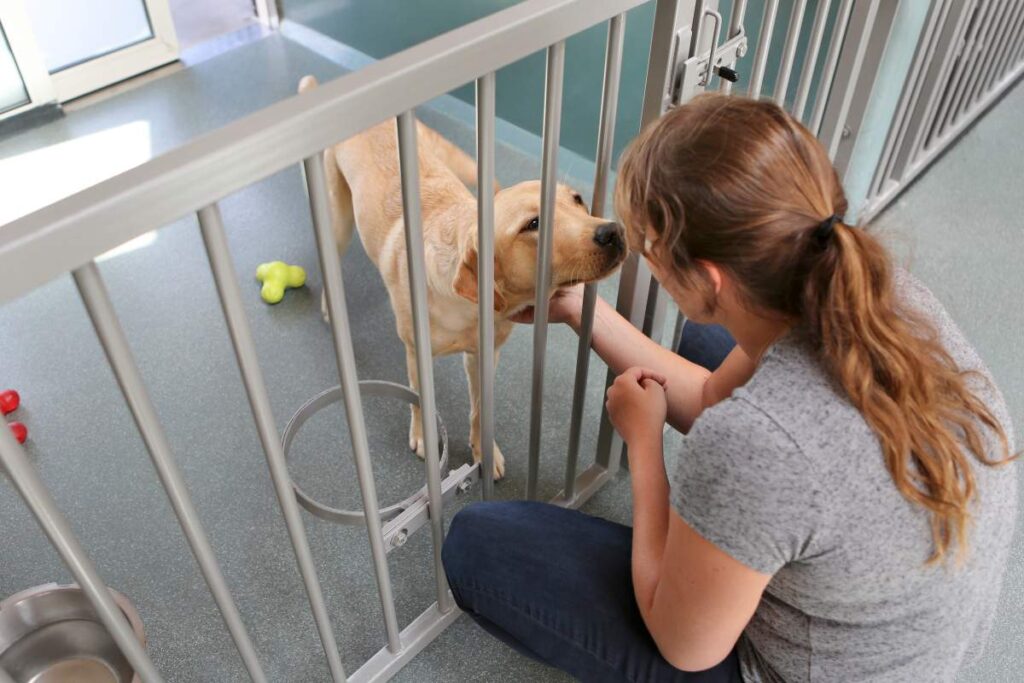
Dog daycare can help some dogs cope with separation-related stress, but it is not a complete treatment for separation anxiety. The effect depends on why the dog is distressed, how the daycare environment is managed, and whether the dog can relax around unfamiliar people, dogs, sounds, and routines.
What does separation anxiety look like in dogs?
Separation anxiety is more than ordinary excitement when a person leaves. Affected dogs may show intense distress when separated from a specific person or left alone, often beginning within minutes.
Common signs include:
- Repeated barking, whining, or howling
- Scratching at doors or windows
- Chewing furniture or attempting to escape
- Pacing, panting, drooling, trembling, or refusing food
- Indoor urination or defecation despite being house-trained
- Following a family member constantly before departure
- Extreme excitement or exhaustion when that person returns
A dog that becomes upset only when confined in a crate may have confinement distress rather than classic separation anxiety. A dog that reacts whenever any person leaves may be experiencing a broader anxiety problem. The difference matters because daycare may help one situation while making another more difficult.
Can dog daycare reduce distress during the day?
Yes, daycare can reduce the amount of time some dogs spend alone. A dog that becomes anxious only when isolated may remain more comfortable in a carefully managed setting with familiar caregivers and appropriate social interaction.
Daycare may be useful when a dog:
- Enjoys being around other dogs
- Can settle after an initial adjustment period
- Is comfortable with unfamiliar adults
- Has no serious history of fear-based aggression
- Benefits from structured activity and rest
- Becomes distressed mainly during long periods alone at home
In that situation, daycare functions as management. It prevents repeated, full-intensity episodes while the household works on gradual alone-time training.
That distinction is important. Avoiding long periods alone can keep the dog from rehearsing panic, but it does not automatically teach the dog that being alone is safe. A dog may be calm at daycare yet remain distressed when left home alone.
When might daycare make anxiety worse?
A busy group setting is not calming for every dog. Some dogs find unfamiliar dogs, constant movement, barking, slick floors, transportation, or frequent changes in staff more stressful than staying home.
Daycare may be a poor fit for a dog that:
- Hides, trembles, freezes, or repeatedly tries to escape
- Guards people, food, toys, or resting spaces
- Becomes overwhelmed around groups of dogs
- Cannot rest during the day
- Panics when a caregiver briefly leaves the room
- Has noise sensitivity or a history of traumatic experiences
- Returns home unusually agitated, withdrawn, or physically exhausted
A dog does not need to play with other dogs to benefit from care. Some dogs do better in a quiet, low-density setting with individual attention, scheduled rest, and limited social contact. The goal is emotional safety, not maximum activity.
How should a dog be introduced to daycare?
A gradual introduction is safer than starting with a full day. The first visit should allow the dog to observe the environment, meet caregivers, and leave before becoming overwhelmed.
A practical progression may include:
1. Visiting briefly with a familiar person present.
2. Spending a short period with one caregiver.
3. Trying a quiet, limited-duration visit.
4. Increasing time only when the dog remains relaxed.
5. Adding group interaction cautiously, if the dog enjoys it.
6. Scheduling rest periods rather than allowing nonstop play.
Useful signs include taking treats, sniffing normally, resting, responding to the caregiver, and recovering quickly from ordinary sounds. Stress signs include persistent panting unrelated to exercise, frantic movement, refusal of food, repeated vocalizing, tucked posture, or attempts to get out.
A trial should be evaluated by the dog’s behavior during the visit and after returning home. A dog that sleeps briefly after activity may simply be tired. A dog that remains restless, avoids family members, develops diarrhea, or becomes more reactive may have had too much stimulation.

What questions should Eau Claire households ask about daycare?
Residents should ask how the setting handles dogs that do not enjoy group play. Important questions include:
- Are dogs separated by size, play style, age, or temperament?
- How often are quiet breaks provided?
- Is there a place where a dog can rest away from the group?
- How are fearful, overwhelmed, or escalating dogs handled?
- Can a dog receive individual care rather than forced interaction?
- What happens if the dog refuses food, panics, or tries to escape?
- Are staff able to describe the dog’s behavior during arrivals, departures, and rest periods?
- Are dogs required to participate in group play?
Seasonal conditions can also affect a dog’s experience. In Eau Claire, WI, winter cold, snow, ice, and shorter daylight hours may increase the appeal of indoor daytime care, but an indoor setting still needs good ventilation, safe flooring, temperature control, and regular opportunities for calm rest. During warm or humid weather, overheating and dehydration are additional concerns, especially for dogs that play intensely.
What should happen at home alongside daycare?
Daycare works best as part of a broader plan. Short, gradual absences at home can help a dog learn that departures are predictable and temporary. The length of each absence should remain below the point where panic begins.
Households can support this process by:
- Practicing brief departures without dramatic greetings
- Using a camera to observe behavior when nobody is home
- Offering a safe resting area and a long-lasting food toy when appropriate
- Keeping departure routines calm and consistent
- Providing exercise and mental enrichment without overexciting the dog
- Avoiding punishment for destruction, barking, or accidents
- Varying harmless departure cues so shoes, keys, or a coat do not always predict a long absence
A food toy is helpful only if the dog is relaxed enough to eat. Dogs in severe distress often ignore treats, which is useful information rather than stubbornness.
Is daycare enough for severe separation anxiety?
Usually not. A dog that panics, injures itself, destroys barriers, or cannot remain calm for even a few seconds may need a carefully designed behavior plan. A veterinarian should be involved when anxiety is severe, sudden, worsening, or accompanied by physical symptoms. Medical problems, pain, aging-related changes, and medication effects can sometimes contribute to new behavior.
For difficult cases, treatment may include gradual desensitization, positive reinforcement, environmental management, and, when appropriate, medication prescribed by a veterinarian. During treatment, repeated panic-inducing absences can make progress harder, so temporary support such as a trusted caregiver or suitable daycare may be used to reduce those episodes.
The most accurate answer is that daycare can help manage separation-related distress for some dogs, particularly those who enjoy social settings and need fewer hours alone. It is not a cure, and a stimulating group environment can worsen anxiety in dogs who are fearful, noise-sensitive, or uncomfortable around other dogs. The right choice depends on the individual dog’s behavior, the quality of the setting, and the consistency of the home training plan.